Ocean State Review: Nonfiction Submissions
Overview
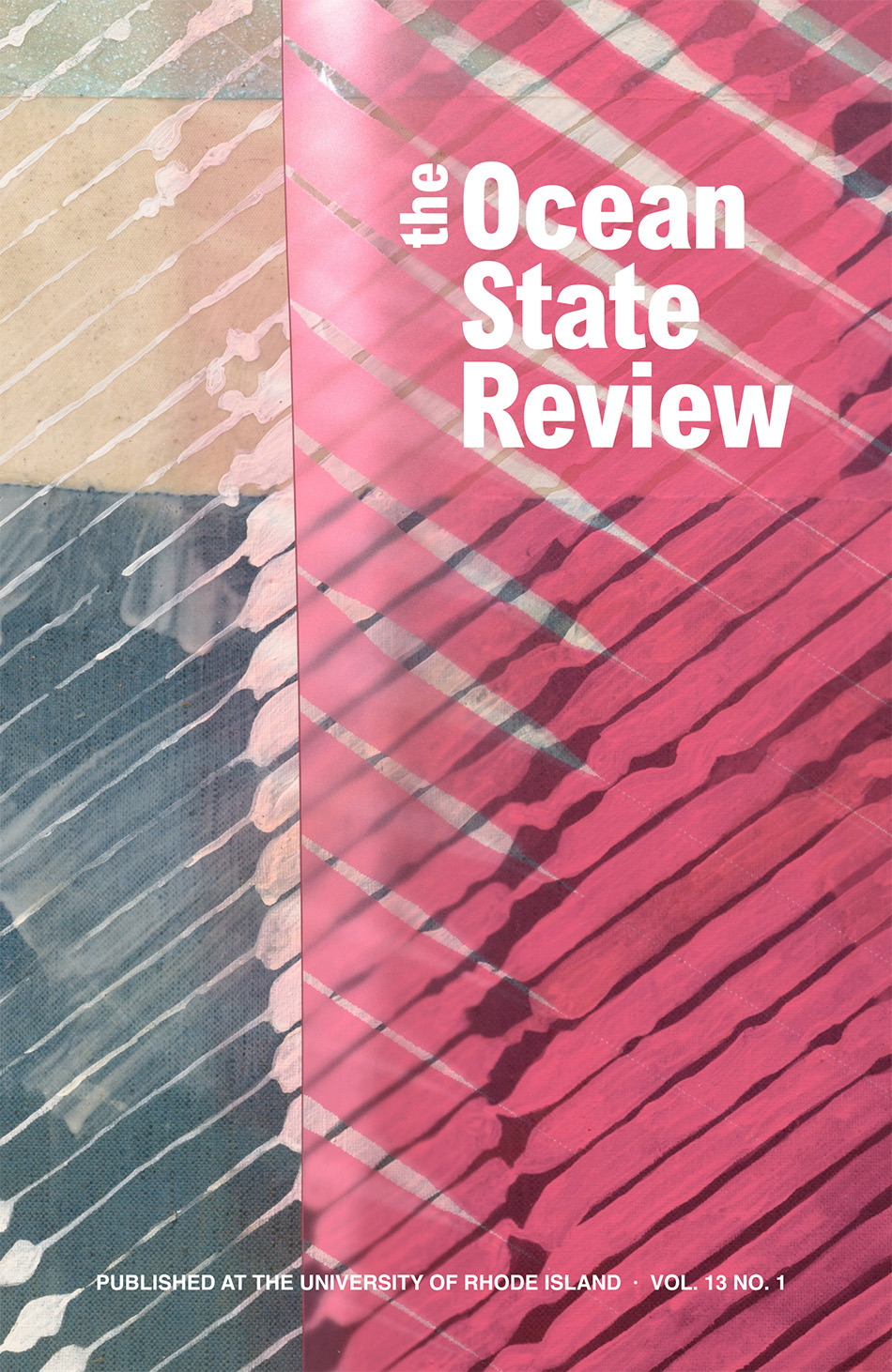
Ocean State Review is a print journal affiliated with the University of Rhode Island, and its pages are assembled with the patience and material care that print affords. The review accepts unsolicited work across a deliberately wide range: fiction, poetry, nonfiction, art, scholarship with a creative bent, and book reviews. This is not a venue organized around a single aesthetic doctrine; it is a general-interest literary review in the traditional sense, which means the editorial intelligence lies in the arrangement of disparate modes rather than in the enforcement of a house style. Contributors should understand that acceptance carries the weight of print: the work will sit alongside scholarship and visual art, and it will be read as part of an issue, not as an isolated post. The journal's reading period runs from April 5 to November 30, and the deadline for this call is December 16, 2026. Response time ranges from three months until the closing date, a timeline that reflects the volume of submissions and the seriousness with which each is considered. Payment is one complimentary copy of the issue, with additional copies available at ten dollars each. A three-dollar reading fee applies to each submission; the editors state that this fee helps maintain the quality of the print journal and offset costs, and they explicitly offer alternatives, including fee waivers, for those who cannot meet it. Submissions must be in Microsoft Word or PDF; if a PDF is accepted, a Word-compatible version will be required. Current University of Rhode Island students may not submit unsolicited work, though alumni are welcome. The curatorial vision here is one of access and editorial responsibility rather than exclusivity. The fee waiver policy, the broad genre scope, and the willingness to consider scholarship with a creative bent suggest an institution interested in work that resists easy categorization. For the creative practitioner, the opportunity is not merely publication but placement within a print object that will be catalogued, shelved, and returned to. The journal's affiliation with a public university informs its character: it is a review that takes its readers seriously and expects its contributors to do the same.